

In today’s marketplace, products and services are no longer just enough. Joseph Pine and James Gilmore explained in Welcome to the Experience Ecomony that businesses must stage experiences that engage customers emotionally. For example, a cup of black coffee only costs a few sense to make, but when combined with the emotional experiences of a Starbucks cafe, it becomes worth much more. The difference isn’t the coffee itself, but the experienced designed to make people feel comfortable and connected. Design plays an essential role in this mindset. It transforms transactions into relationships and products into stories. Through typography, color, and interaction, design guides how we interpret the world around use. We build emotional connections between our favorite brands and the people they serve. It’s more than the utility, it’s about the emotion.
The Power of Emotional Design
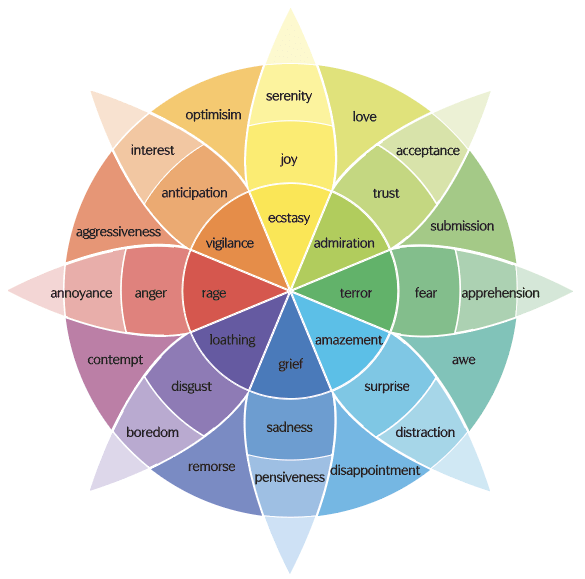
Ellen Lupton argues, in Design is Storytelling, that design functions like a narrative by engaging users through empathy and emotion. When we interact with an object, we don’t just analyze it, we also feel it. Emotions help how we perceive and value design. Robert Plutchik’s Wheel of Emotions shows that feelings such as joy, trust, anticipation, and surprise form the foundation of how we behave. Designers use these emotional cues to strategically make experiences more memorable. Think about Apple. Every curve, color, and animation in the iPhone is designed to spark joy and confidence from their users. On the other hand, Airbnb evokes a feeling of trust by featuring real hosts with personal stories in each listing. In both of these cases, it’s the emotion, not the technology, that creates loyalty.
Design as the Heart of the Experience Economy
The experience economy thrives on emotional connections. Local Measure notes that every touchpoint, from an ad to receiving an order, can evoke emotion. Positive feelings deepen relationships while negative ones drive users away. Designers can build this emotional journey just like an author builds a plot with:
- Introduction: The brands first impression; colors, typography and imagery set the emotional tone.
- Conflict: The user’s need or frustration creates engagement.
- Resolution: The design delivers satisfaction and ends with a moment of delight.
Nike’s “Just Do It” campaign is a great example of this. Its visuals and store design tell a story of empowerment. The shoes are secondary to the feeling of achievement given off by the brand.
The Science of Color and Perception
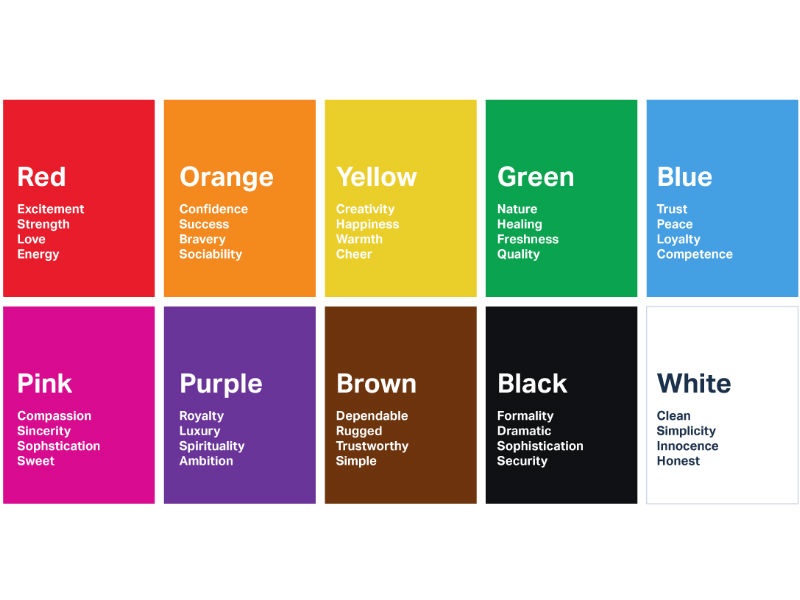
Color is one of design’s most powerful emotional tools. According to The Next Web and WordStream, different hues evoke specific emotional responses. For example, blue signals trust and calm, red sparks passion and urgency, and green shows growth and harmony. Beyond color, emotion is embedded in textures, sounds, and even micro interactions (like the satisfying click of a camera shutter or the soft vibration of an incoming message). Every sensory detail helps shape a cohesive emotional experience.
Meaning as the Ultimate Value
In the experience economy, emotional connection is the value. People don’t just buy products, they buy the feeling that product gives to them. As Lupton says, “Design is a performance.” The designer becomes a storyteller, the user a reader, and the emotional response is the climax of the narrative. Brands like LEGO and Disney thrive because they can design with empathy and authenticity. Their products reflect common human values like curiosity and creativity. These emotional narratives build lasting loyalty for years. Ultimately, great design doesn’t make us just want something, it makes us feel something. It transforms a simple moment of use into a moment of meaning. In a world where experiences define value, emotion is the most powerful tool of them all.



 Pixel + Parchment
Leave a comment