

We make thousands of visual decisions everyday; decisions like what the read, what to buy, and even what to trust. A lot of the time, these choices feel instinctive and almost automatic. However, in reality, they are shaped by the invisible relationship between behavioral economics and design. Designers know that people don’t often make decisions rationally. Instead, our emotions, perceptions, and thoughts guide us whether we know it or not. When design taps into this, it becomes more than something nice to look at, it becomes strategy.
Why Behavioral Economics Matters for Designers
Behavioral economics looks at why people make the choices they do especially when those choices are influenced by bias or emotional cues. For designers, these insights show us how we can create good visual experiences. In Design is Storytelling, Ellen Lupton emphasizes that perception is the beginning of every narrative. Before someone decides anything, they will feel something and that feeling shapes their action. The framework is outlined in Bridgeable’s top behavioral economics principles highlights tools like defaults, framing, anchoring, and social proof. These principles help to guide behavior through subtle cues. This means that good design doesn’t force decisions, it just nudges them.
The Psychology Behind What We Notice
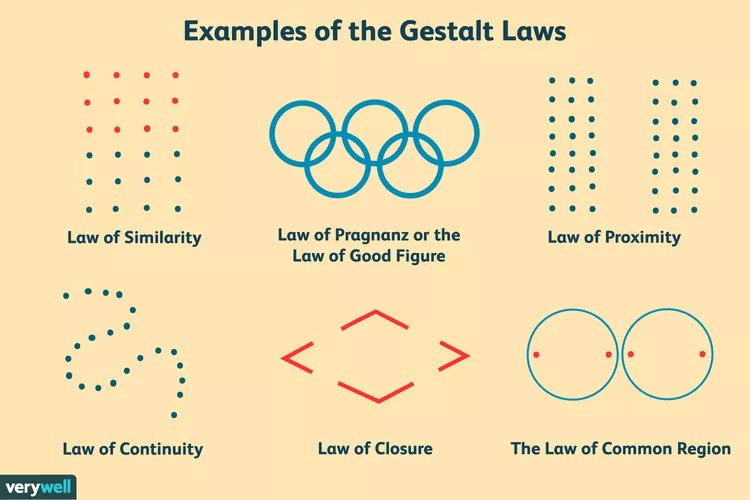
Gestalt Principles: The Mind’s Shortcut System
Humans naturally look for patterns and the Gestalt theory explains why. According to Canva’s overview of Gestalt theory and Thoughtbot’s analysis, we group similar shapes, follow lines, and interpret incomplete images as whole. Designers will use these principles to help guide the viewer’s eye and reduce cognitive load. For instance, a well organized website homepage will keep related navigation items close together to create clusters that help the users make decisions without too much thought.
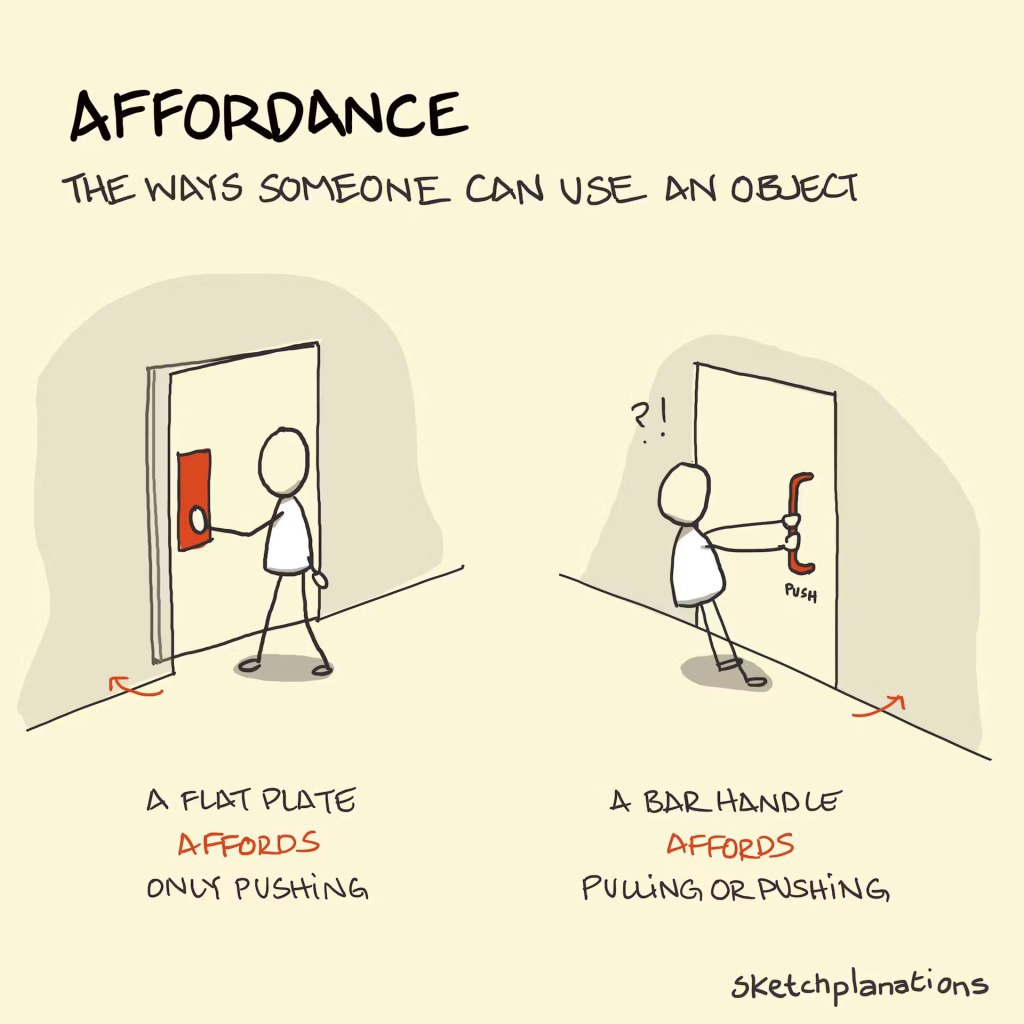
Affordances: When Objects Tell Us What to Do
Affordances represent what an object suggests. For example, a button appears clickable, a slider can be dragged, or a link can be tapped. The Interaction Design Foundation explains that users rely on cues like this so that they can understand the action they are trying to complete. Behavioral economics reminds us that people will choose the path of least resistance. Affordances remove friction and give users confidence to make their next move.
Emotion, Sensation, and Multi-Sensory Design
Lupton’s chapter on sensation highlights how perception deeply connects to emotion. What we see, hear, or touch creates responses that influence decision making. Research on multi-sensory design and multi-sensory digital experiences shows that when more than one sense is engaged, users process information faster and can recall it more clearly. Marketing and product design often rely on this. For example, matte textures are used for luxury packages or calming colors are used for wellness apps. These cues function as behavioral guidance systems.
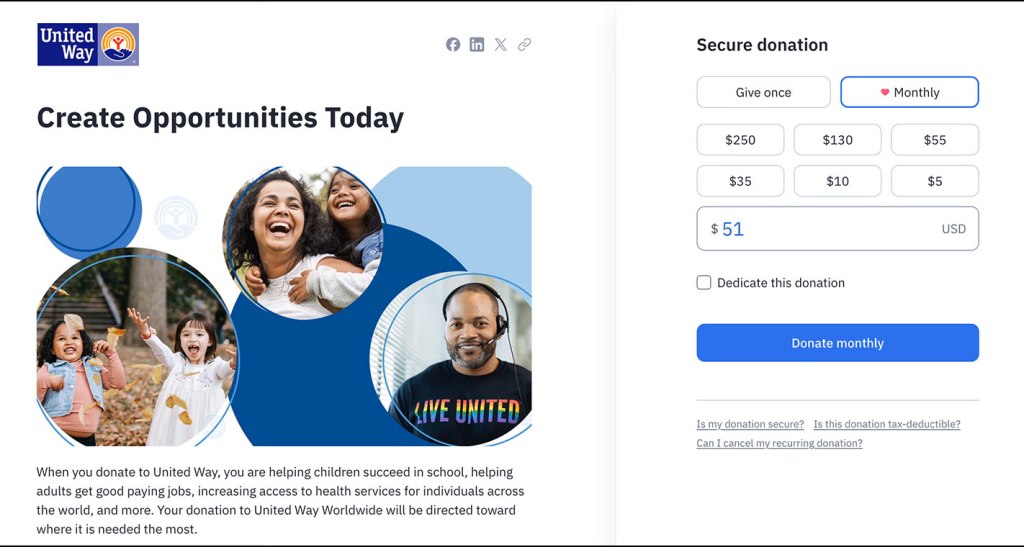
Practical Example – A Donation Page
Think of a nonprofit’s donation page and how behavioral economics meets visual storytelling:
- Gestalt grouping organizes information so users aren’t overwhelmed
- Color and typography evoke empathy and urgency
- Clear affordances make the donation button very clickable
- Framing highlights the impact of each gift amount
What feels intuitive is actually a carefully designed narrative guiding the visitor from story to action.
Designing for Real Human Behavior
Design becomes powerful when it aligns with the realities of human behavior. Behavioral economics doesn’t restrict a designer’s creativity, it actually enhances it. Understanding how people sense and decide helps designers craft experiences that connect and motivate. Ultimately, designing with behavioral insight isn’t manipulation, it’s empathy. It’s about building visual stories that meet people where they are and guide them towards the right action.




 Pixel + Parchment
Leave a comment