

In the quiet moments of the day, reading becomes an easy ritual. Starting off slow mornings by the soft glow of a lamp to afternoons among the shelves of a bookstore. Books move through these moments like easy friends, creating a rhythm that eases the mind. This photo essay traces those small rituals and explores the places where stories live and the presence they bring everyday.
Morning Calm
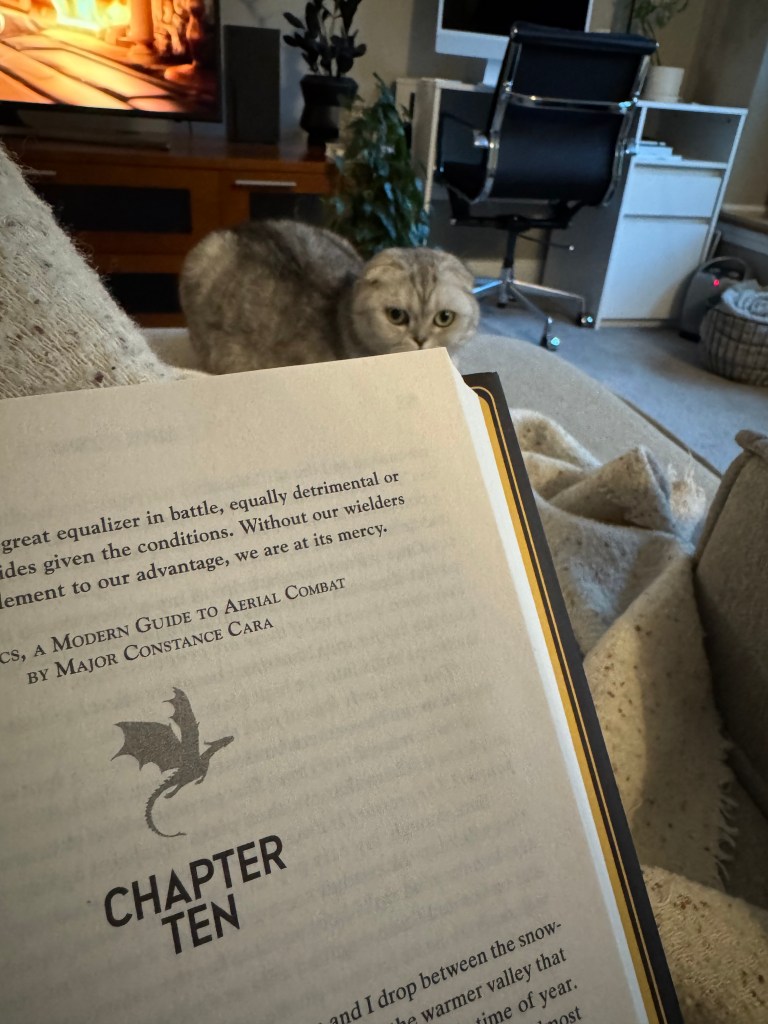
Towers of Story
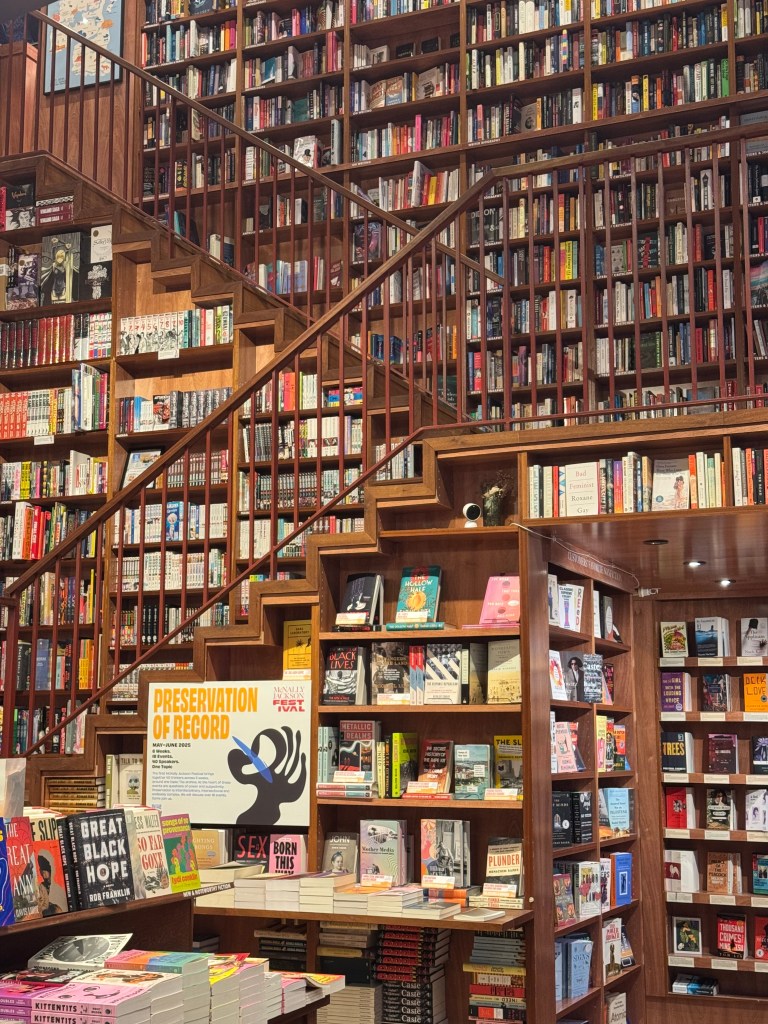
Deskside Beginnings
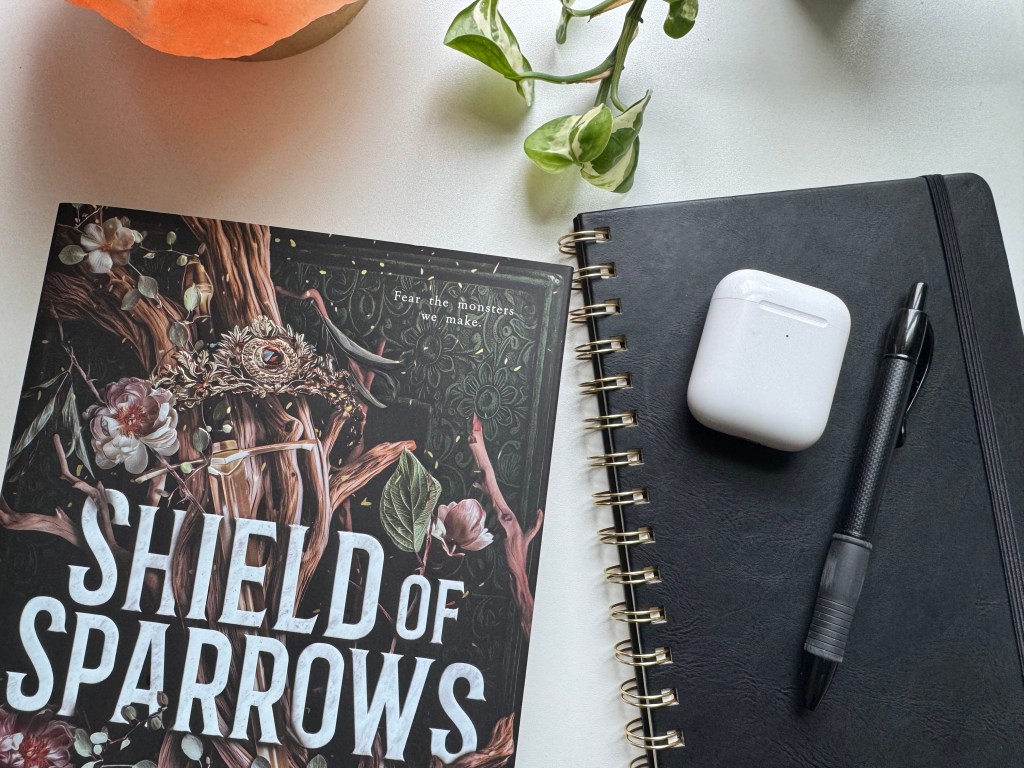
An Afternoon Pause
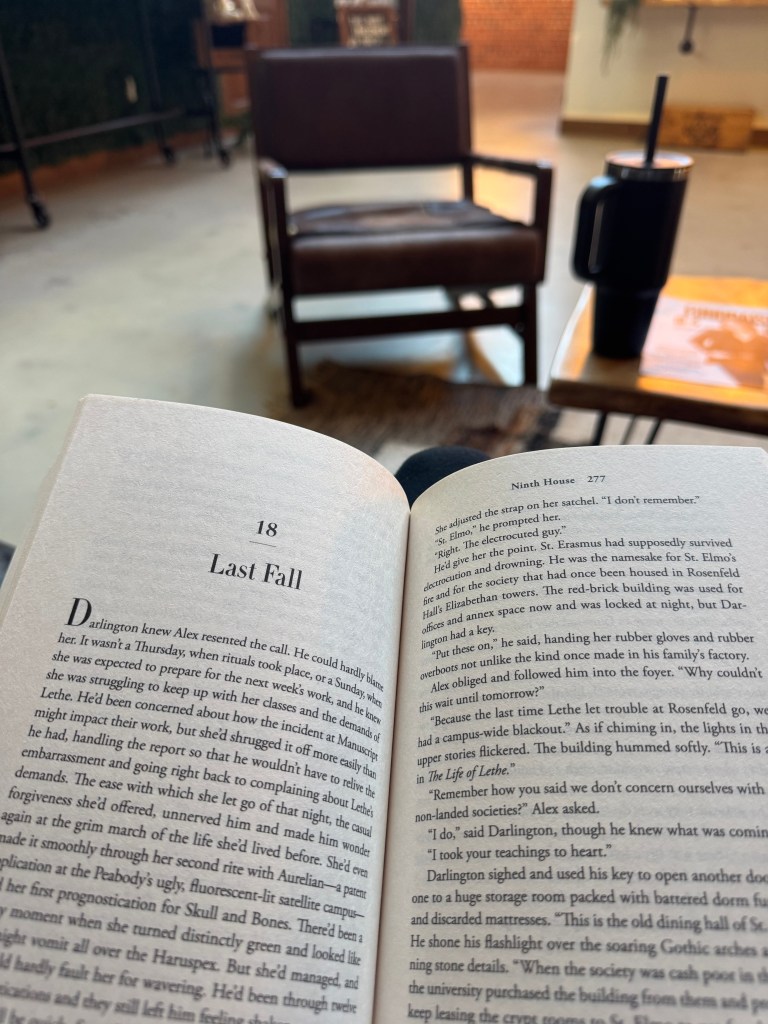
The Waiting Stack

Choosing What Comes Next
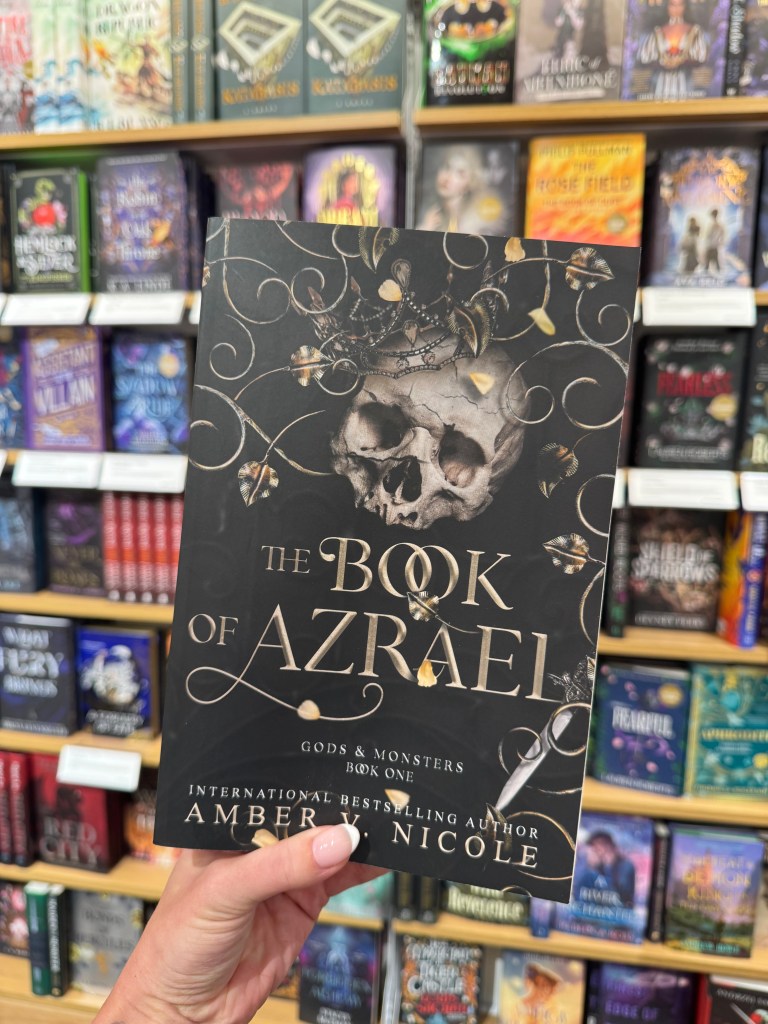
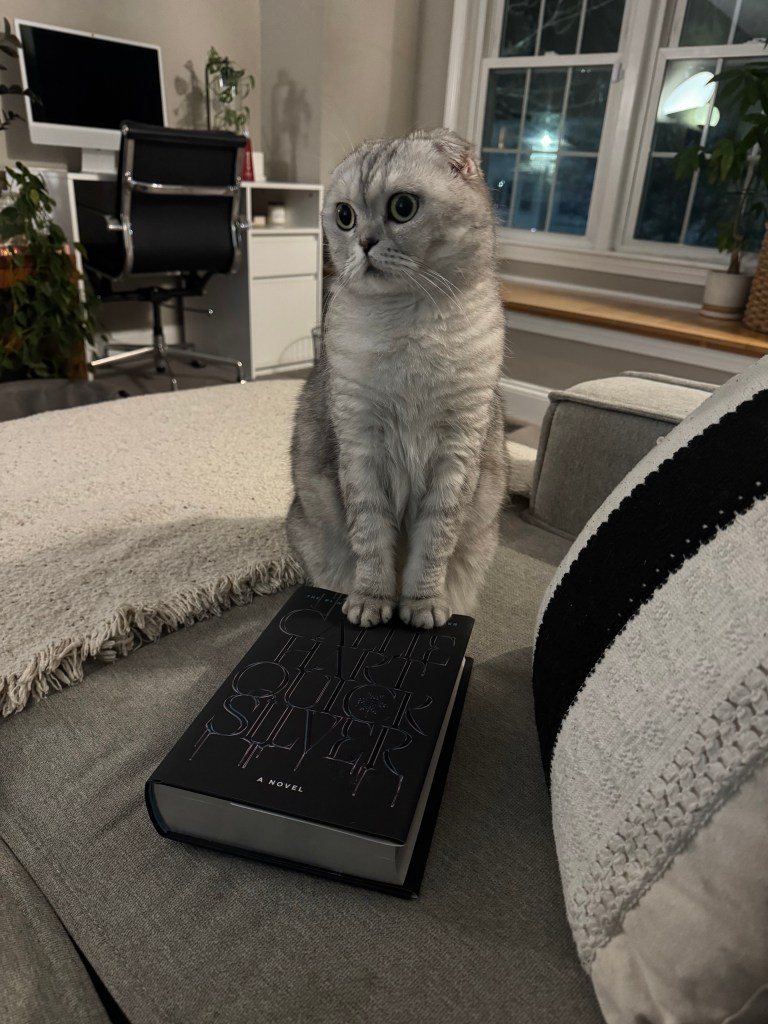
Nightfall Rituals
Conclusion
Across each of these scenes, the ritual of reading forms a continuous thread by opening space for reflection, imagination, and rest. Whether it’s among towering shelves packed with books or in the quiet company of home, each moment with a book offers pause that shapes the mundane atmosphere of an ordinary day.
Rationale
Creating this photo essay began with a simple idea – reading isn’t just a hobby, it’s a rhythm that flows between different moments of the day. Books show up in small, quiet moments of time and shape the mood of those spaces. It could be during the early hours of the morning, in a busy bookstore, or curled up in the corner of the couch late at night. The goal of this project was to capture that pattern visually and focus on the easy routines that form around books and the way that they fit naturally into everyday life.
To build a cohesive narrative, I leaned on the ideas about visual storytelling that focused on sequence, mood, and environment. The archive at the History of Visual Communication shows that humans have always hold stories in sequences. Whether that was in a cave painting or a medieval manuscript. The same principle applies to these photos as well. The essay moves from morning to night which forms a calm, cyclical story that doesn’t rely on dramatics to feel meaningful.
Many writers describe visual storytelling as a blend of clarity, emotion, and structure. The Amplifin guide to visual storytelling highlights how strong visuals rely on a clear narrative thread. Those ideas influenced the decision to focus on real and unstaged reading environments including warm lighting, everyday spaces, and the occasional cat cameo.
Design choices also helped to carry the tone. The Gestalt design principles guided the look and feel of each photo. Repeating shapes, warm colors, and soft textures create visual consistency across different settings. This makes the collection of images feel like one fluid story rather than a set of unrelated shots.
Color also played its part. According to Wordstream’s overview of color psychology, warm tones tend to evoke feelings of comfort and calm. Most of these photos lean into that palette. Warm light from lamps, gentle daylight, and rich, dark book covers create an atmosphere that feels peaceful.
I also thought a lot about emotion while I was taking these images. The Interaction Design Foundation’s article on Plutchik’s Wheel of Emotions explains how subtle visual cues, like softness, warmth, and depth, shape a viewer’s emotional experience before they consciously interpret the content. Depth-of-field and up close shots help highlight the intimacy and stillness that reading offers during the day. To create a sense of space and immersion, I used depth cues like focus and perspective. Many of the photos are taken from the reader’s perspective and invite the viewer to step directly into that moment.
The recurring presence of the cat adds a small emotional thread running through the essay. Articles like Local Measure’s emotional journey mapping discuss how familiar sensory details deepen emotional connection.
Throughout this project, I kept coming back to the idea of experience. The Harvard Business Review’s “Experience Economy” points out that emotional resonance is a huge part of what makes an experience feel meaningful. Reading is a quiet activity and these images reflect that slow steady presence. Altogether, this photo essay uses visual sequencing, emotional cues, simple design principles, and an everyday to show how reading weaves in and out throughout the day. The result is a portrait of how books settle into life, not as dramatic scenes, but as small rituals that shape the feeling of ordinary moments.
Works Cited
“4 Principles of Visual Storytelling.” Amplifin, amplifinp.com/blog/4-principles-visual-storytelling/.
Aknamarquez. “What Is Multi-Sensory Design?” Aknamarquez, 23 July 2017, www.aknamarquez.com/blog/2017/7/23/what-is-multi-sensory-design.
“Color Psychology in Marketing.” WordStream, 12 July 2022, www.wordstream.com/blog/ws/2022/07/12/color-psychology-marketing.
“Depth Cues.” ArtNet, artnet.nmu.edu/foundations/doku.php?id=depth_cues.
“Gestalt Theory.” Canva Design School, www.canva.com/learn/gestalt-theory/.
Hardy, Quentin. “Welcome to the Experience Economy.” Harvard Business Review, July–Aug. 1998, hbr.org/1998/07/welcome-to-the-experience-economy.
“History of Visual Communication.” History of Visual Communication, www.historyofvisualcommunication.com/.
Interaction Design Foundation. “Putting Some Emotion into Your Design: Plutchik’s Wheel of Emotions.” Interaction-Design.org, www.interaction-design.org/literature/article/putting-some-emotion-into-your-design-plutchik-s-wheel-of-emotions.
Local Measure. “Mapping the Emotional Customer Journey.” Local Measure, www.localmeasure.com/post/mapping-the-emotional-customer-journey.
Simply Psychology. “Perception Theories.” SimplyPsychology.org, www.simplypsychology.org/perception-theories.html.
Thoughtbot. “Gestalt Principles.” Thoughtbot Blog, thoughtbot.com/blog/gestalt-principles.





 Pixel + Parchment
Leave a comment