
Have you ever been browsing the Lululemon website and clicked on a pair of Align leggings and then said, “I’ll buy these another time”? Then the next time you’re on Instagram, you see the exact same pair of leggings in multiple ads. This is known as audience segmentation and it’s the reason behind a lot of paid social media success. Lululemon is a great brand to look at because they sell premium priced athletic wear in a saturated market which means that ads have to reach the right people with the right message at the right time.
Lululemon’s Target Audience and Why Segmentation Matters
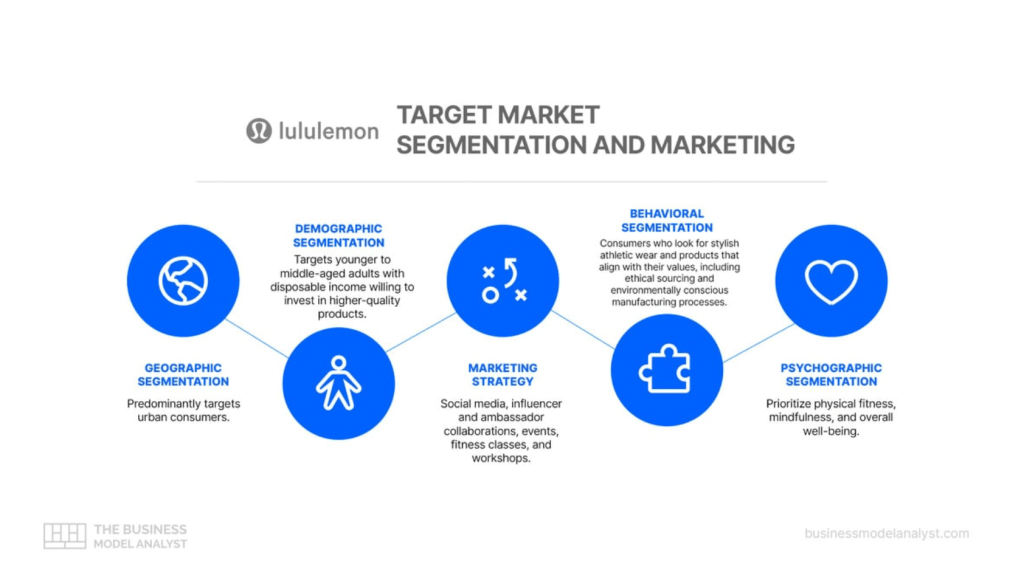
Lululemon’s target audience is described as health and wellness oriented adults between the ages of 18-45. The audience is primarily female, however the number of males interested in the brand is growing. The Business Model Analyst describes Lululemon’s target as active, wellness-minded, and more affluent individuals who typically have interests in yoga, running, Pilates, training, and everyday athleisure wear. Segmentation helps Lululemon not have one audience of all people who exercise, but have multiple audiences tailored to specific rules. Examples of these audience clusters are:
- Yoga/Pilates lifestyle: People who prefer comfortable and soft clothing options with a studio-to-street feel
- Runners and trainers: People who prefer high performing and durable options
- New to the brand shoppers: People looking for more information about the brand, social proof, and good first purchase options
- Loyal customers: Those looking for early access, limited colors, or new drops
Segmentation also matters to Lululemon from a geographic perspective as well. They operate across multiple regions and have to adapt by market. In their 2024 annual report, Lululemon notes their regional reporting segments (Americas, China Mainland, and Rest of World) and highlights their “think globally, act locally” approach.
How Custom Audiences Could Be Used
Custom Audiences are where Lululemon can turn high intent into conversions especially for shoppers who are “just looking”. The most practical data sources for custom audiences includes:
- Website visitors
- Abandoned carts
- Previous purchasers
- Email/membership lists
- Instagram engagers
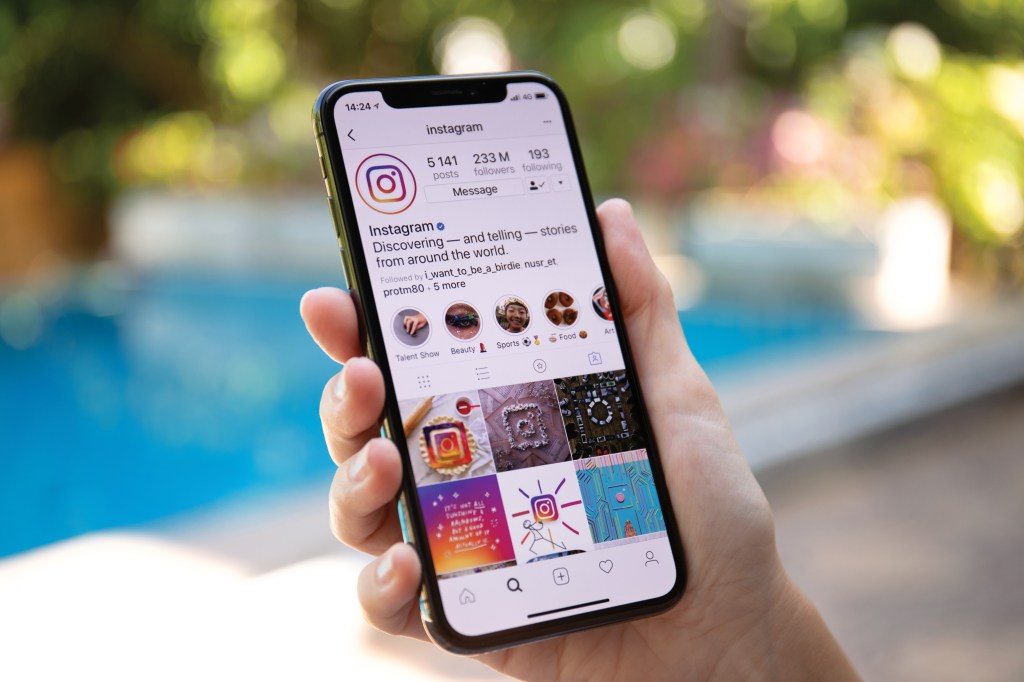
On Meta platforms (Facebook, Instagram, and Threads), website based Custom Audiences are built using the Meta Pixel. The pixel tags the website and tracks actions that help build audiences for ad targeting and optimization.
For Lululemon, this means that a shopper who looked at the Align 25″ in black might later see the same product featured in a photo carousel, a Reel created by an influencer, or a promotion for easy returns. This type of segmentation improves efficiency because Lululemon isn’t reaching someone from a cold audience and trying to persuade them from zero. They’re paying to reengage someone who already showed potential buying intent.
Lookalike Audiences: Expanding Reach Without Guessing
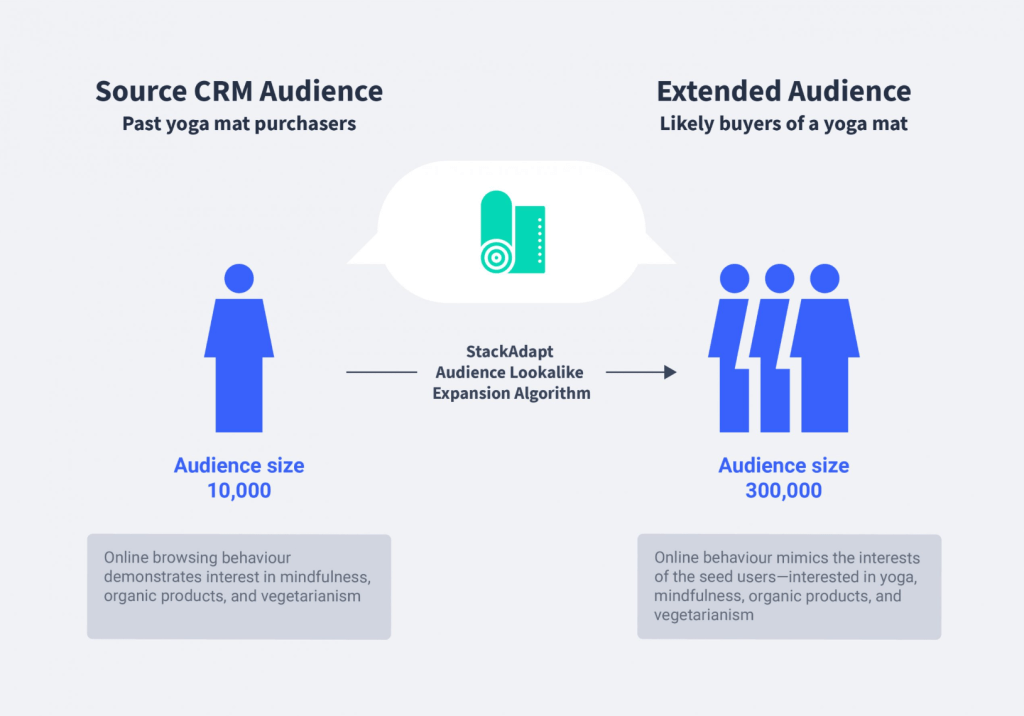
With their strong first party audience segments, Lululemon can continue to scale with Lookalike Audiences. This type of audience is a new set of people who resemble their current best customers. Meta describes Lookalikes by using the source audiences traits like demographics, interests, and behaviors. Lululemon wouldn’t use all of their customers as their source audience, but instead use something tighter such as:
- Repeat purchasers in the past 6-12 months
- Members
- Frequent buyers of specific categories
- Site visitors who converted
This is the best way for Lululemon to expand their reach while still protecting ROAS. They wouldn’t be targeting random broad interests, but cloning what has already worked.
https://www.tiktok.com/embed.js@lululemon Trust us, no one is missing their dupes. Align Legging Dupe Swap is back tomorrow at Century City Mall in LA, while supplies last. #lululemonalign ♬ original sound – Ethan Palazzo
Lululemon’s “Dupe Swap” and Gen Z
A good example of segmentation is Lululemon’s May 2023 Dupe Swap event in Los Angeles. This event was designed to target Gen Z’s “dupe culture” – the current trend of shoppers looking for less expensive items that function almost identically to high end products. The Harris Poll case study found that #LululemonDupe had 185+ million views on TikTok. Lululemon’s event allowed customers to bring in their knockoff leggings in exchange for a free pair of black Align leggings. This matters for paid social because it’s a clear indicator of segmentation in action. Lululemon identified a clear audience segment (Gen Z dupe shoppers), aligned with their interests, and used a campaign to drive brand preference. Although the conversion was offline, the social sharing made it travel online and fueled awareness among the exact segment that Lululemon wanted to convert.
Why Segmentation is the Backbone of Paid Social
Paid social is deemed expensive, but that only happens when you’re targeting generic audiences. Segmentation is how Lululemon stays relevant. Custom Audiences convert already interested shoppers and Lookalike Audiences extend their reach while keeping the same proven customer DNA. When the message and timing match the audience’s intent, ads stop feeling like an interruption and instead feel like the next logical move.


 Pixel + Parchment
Leave a comment