

Instagram was built for personalization. The platform collects data like profile details, content created by users, likes, follows, searches, purchases, device information, location signals, and advertising activity. Meta states that they only use this information to personalize content, recommend accounts and Reels, measure performance, and deliver targeted ads. Instagram users still have some control; they can review ad preferences, manage some categories of personalization, and hide ads and content. However, control is partial and not complete because Instagram’s advertising model depends on broad data collection.
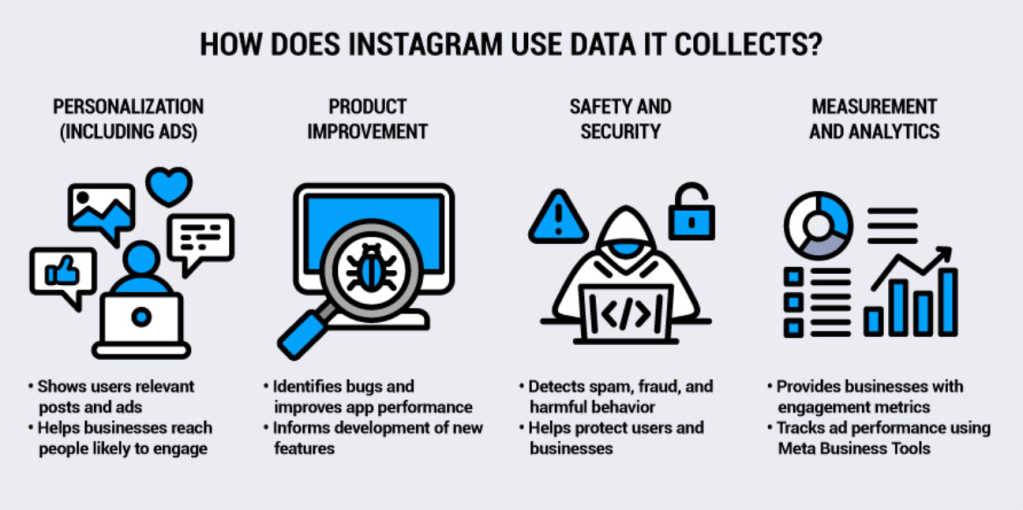
What Data Instagram Collects and How It Uses It
Instagram collects more data than just what users are posting publicly. They gather information about how long users are interacting with content, what they click on, who they follow, what kind of device they’re on, and how they interact across different Meta platforms. This helps Instagram build well detailed audience profiles for advertisers to target. For marketers, this helps make campaigns more efficient. For the user, however, it raises questions about how much of their behaviors are being watched and monetized.
Privacy Concerns and Ethical Controversies
The biggest concern with Instagram’s data practices isn’t just the amount of information being collected, but also how much is being inferred from user behavior. Instagram can use activity patterns to predict preferences and consumer intent. This creates ethical concerns about if users truly know what they are consenting to. In Paid Attention, Faris Yakob explains that social platforms shape how messages are delivered and interpreted. On Instagram, this means that ad targeting can feel seamless, but manipulative at the same time because users are unaware of how precisely they are being profiled.
Because of this, Instagram has faced serious criticism. In 2022, Ireland’s Data Protection Commission fined Instagram €405 million for how it handles children’s data and especially when it comes to public account settings and the visibility of personal information. Cases like this show how Instagram continues to face legal and ethical scrutiny.
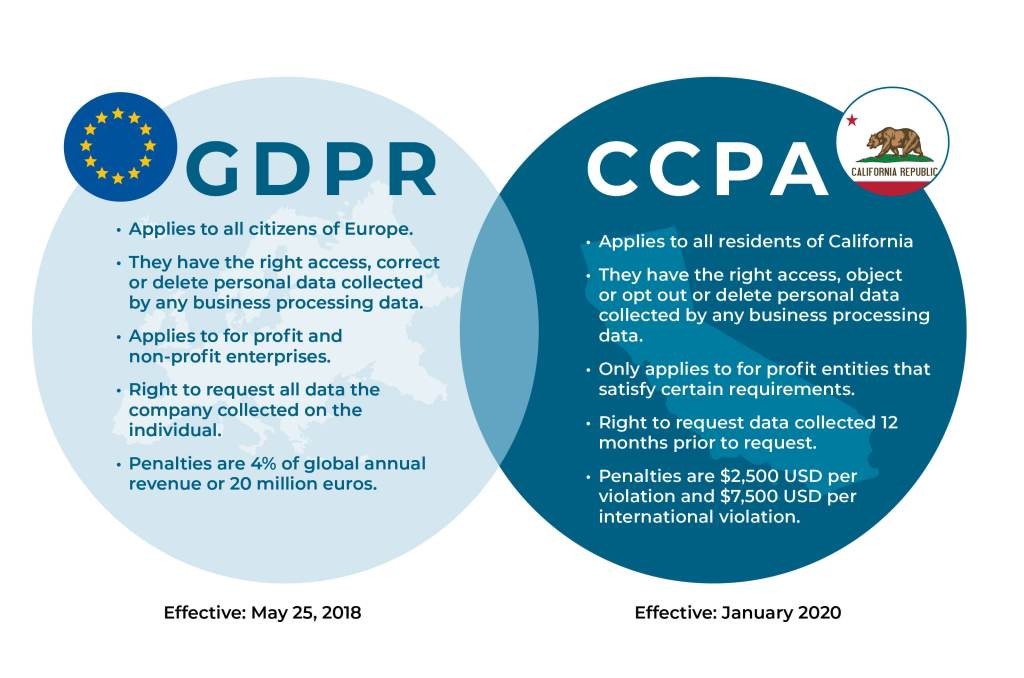
Transparency, GDPR, and CCPA Protections
Instagram and Meta have made some effort to improve transparency on this topic. Users can access their privacy settings, ad preferences, and policy explanations through Meta’s Privacy Center. Under GDPR, users in Europe have rights related to consent, access, and data use. Under CCPA, California users can request to know what personal information is being collected, request deletion, and opt out of certain data sharing practices. While this can be seen as a step in the right direction, these protections are only effective if users can easily understand and use them. Long privacy policies and complicated settings aren’t usually seen as transparent and are often skipped over.
How Instagram Could Improve
Instagram could have a better balance of advertising effectiveness and privacy by simplifying its privacy explanations, limiting cross platform tracking by default, and creating clearer opt out options for personalized ads. The platform should also apply stronger protections for children, teens, and users in sensitive categories. These changes would still allow marketers to reach relevant audiences, but by more ethical and transparent means. In the long run, stronger privacy protections would not weaken Instagram’s advertising model, but actually strengthen consumer trust and that is what’s essential for sustainable social media marketing.






 Pixel + Parchment
Leave a comment