
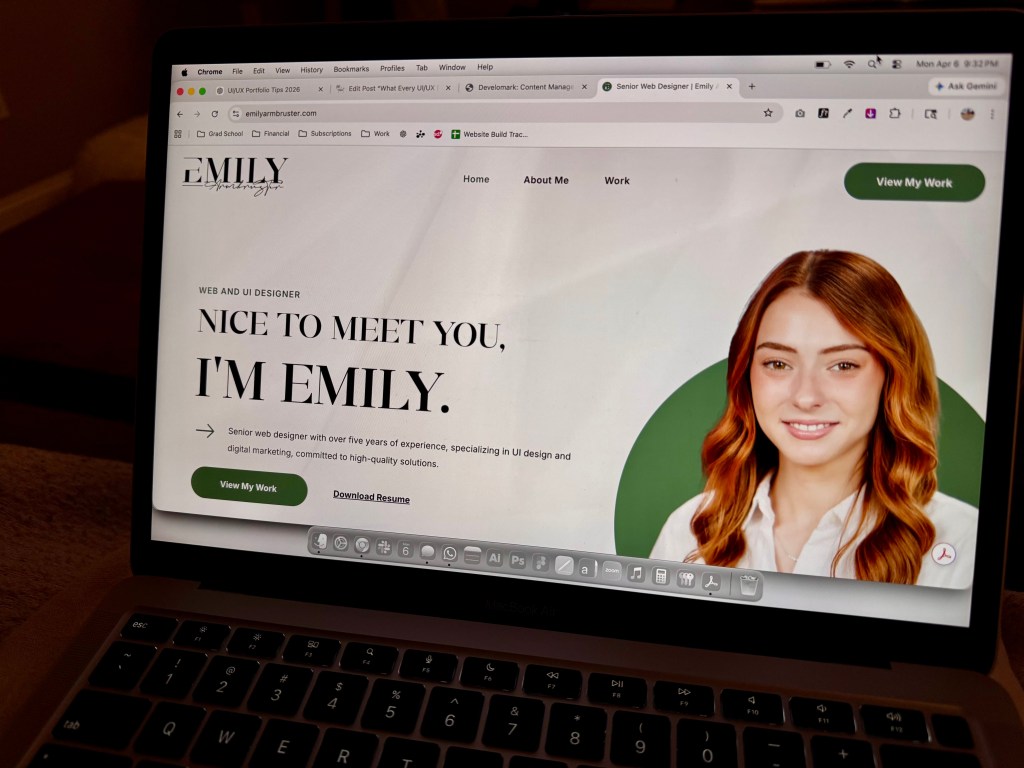
In 2026, your UI/UX portfolio shouldn’t just be a collection of pretty screens. It should be the way that you communicate how you think, solve problems, and deliver results. Hiring managers see so many applicants a day, that they don’t have time to spend a while browsing your portfolio. They’ll spend only a few seconds which means that clarity and impact matter more than ever. If you want to stand out in a competitive market, your portfolio needs to be backed by a strategy and not just be nice to look at. Here’s what you should include, what hiring managers are looking for, and common mistakes you should avoid.
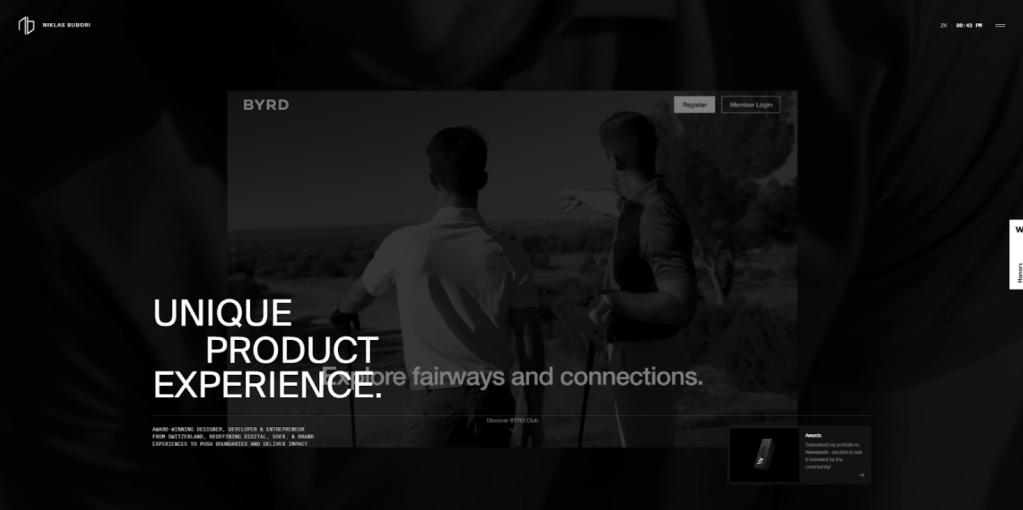
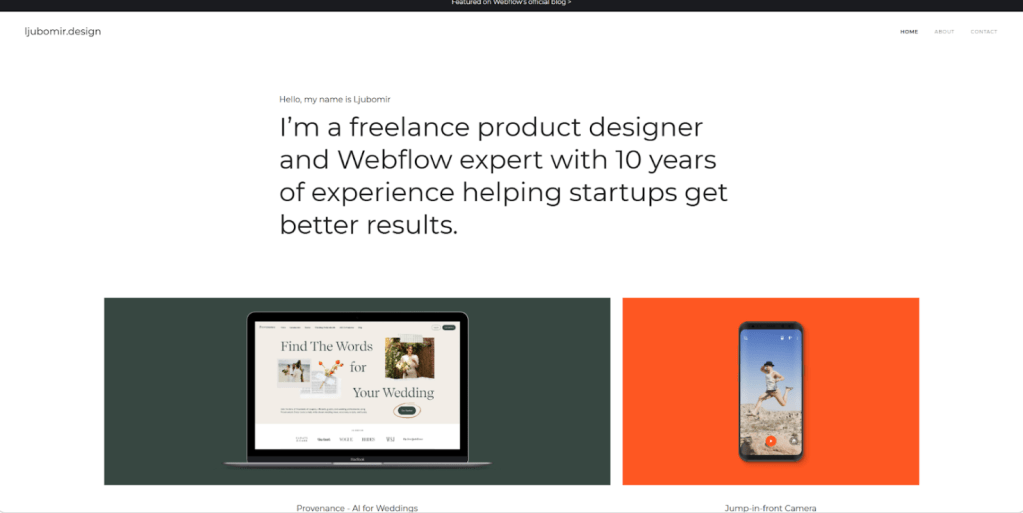
Must Have Sections for a Standout UI/UX Portfolio
A strong portfolio isn’t about having an overabundant number of projects, instead it’s about having a curated set of projects that highlight structure and storytelling. According to UXGO, many recruiters prioritize a few high quality case studies over a lot of weak ones. Your portfolio should include:
1. A Clear, Focused Homepage
Your homepage should answer three questions; who you are, what you specialize in, and why your work matters. Khanh Linh Le at UX Pilot says keep it clean and easy to scan. Portfolios that are easy to navigate outperform ones that use complex layouts.
2. Include At Least 3-4 Strong Case Studies
Your case studies are the core of your portfolio. Hiring managers are on the look out for:
- A clear problem statement
- Your role and responsibilities
- Your process
- Measureable results
The best portfolios follow a problem, process, outcome structure to make it easy to understand the impact of the work.
3. A Thoughtful About Page
This is the place to tell the world about yourself. Beyond your technical skills, hiring managers want to know how you think and communicate. Including sections about your background, your design philosophy, and bits about your personality help to create a strong About page.
4. Resume and Contact Options
Make it easy for someone to take the next step in learning about you. Include:
- A downloadable resume
- Clear contact information
- Professional social media links
If a hiring manager has to search hard for this, you’re already behind the pack.
What Hiring Managers Actually Look For
Hiring managers aren’t judging your portfolio based on only the visuals. They’re really looking at how you think. Your portfolio should show:
- Clear Design Thinking: Hiring managers want to see how you assess problems. UXfolio states that a strong portfolio should include research insights, important decisions, and any tradeoffs made in the process.
- Real Impact and Results: Hiring managers want to see if your outcome shows any measurable results. Even small metrics help to demonstrate value.
- Communication and Storytelling: Recruiters are skimming your portfolio. Think of it like a test to see if your content is clear, concise, and easy to scan. Many of them are only spending a few minutes so readability is critical.
- Collaboration and Iteration: Showing how your work evolved is more important than showing the perfect product. Including previous iterations and team involvement demonstrates your ability to collaborate well.
- Strategic Thinking: Design skills are important, but in 2026 the modern UX role also requires product thinking. Being able to demonstrate how your product impacts users and aligns with business and user goals is a major differentiator.
Common UI/UX Portfolio Mistakes to Avoid
Even the strongest designer can get overlooked because of avoidable mistakes. Here are some of the biggest ones:
1. Overloading with Too Many Projects
More isn’t always better. One highly produced case study is better than five average ones.
2. Focusing Only on Final Designs
Showing only polished UI screens signals a lack of depth. Hiring managers also want to know how you got there.
3. Writing Long, Unstructured Case Studies
Dense paragraphs and too much scrolling loses interest fast. Instead break content into sections, include visuals, and highlight the key takeaways.
4. Being Too Generic
It’s okay to show your unique perspective and personality in your portfolio. If your work looks like everyone else’s, it will be forgotten.
5. Ignoring Results and Metrics
Instead of saying, “improved user experience”, be specific in showing what changed and why it matters.
6. Poor Navigation and UX
It’s ironic, but a lot of the times many UX portfolios have bad UX themselves. If your site it slow or confusing, it directly reflects your skills.
Final Thoughts
A standout UI/UX portfolio in 2026 isn’t about being flashy, but it’s actually about being clear and intentional. Keep your focus on strong case studies, clear storytelling, measurable impact, and a clean experience. If a hiring manager can understand your thinking within 30-60 seconds, you’re doing the right thing. If not, they’re going to move on. Your portfolio isn’t just a showcase of your work. It’s your strongest argument for why you should be hired.





 Pixel + Parchment
Leave a comment